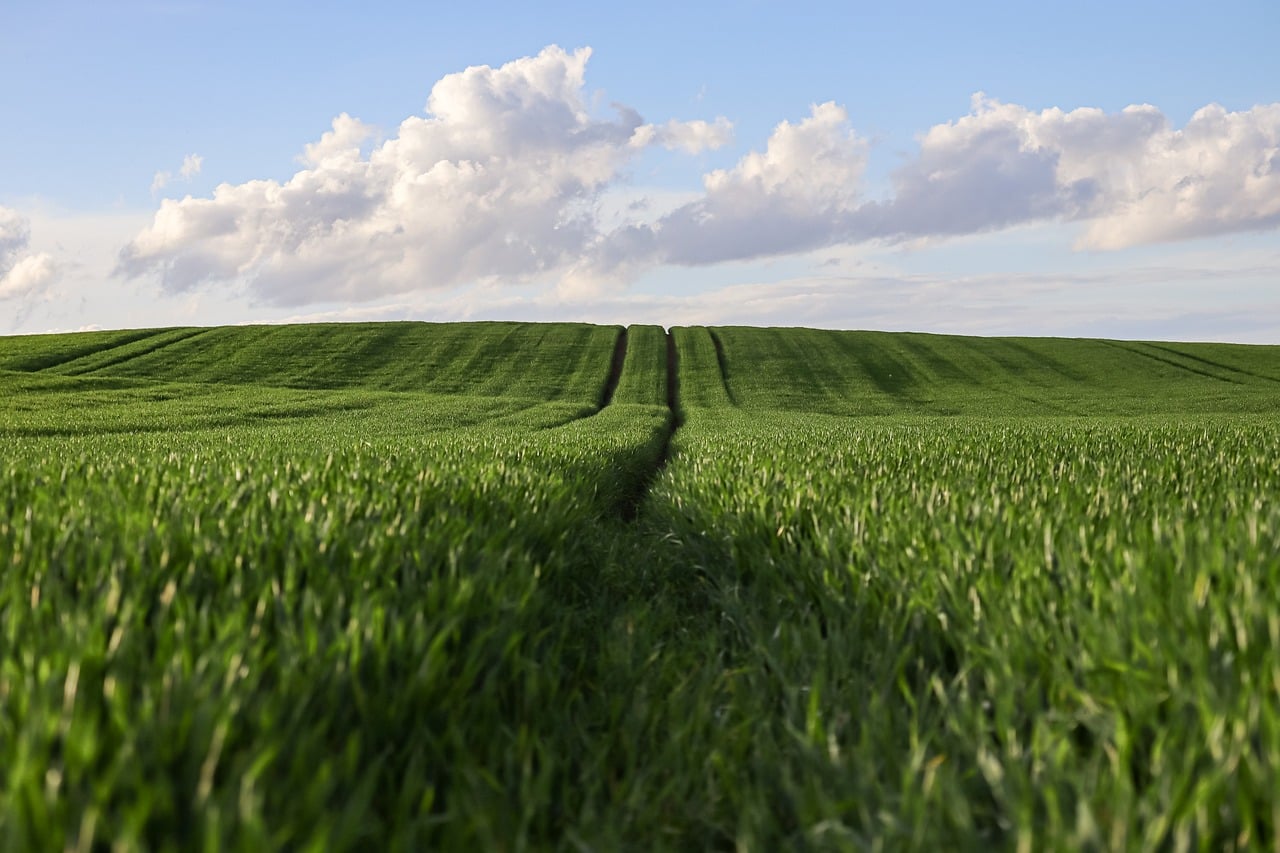
Regenerative agriculture: When the future of food production is rooted in restoring nature
Climate change, increasingly frequent extreme weather events, soil degradation, and growing food demand are presenting agriculture with a major challenge: how can we ensure sufficient supplies of high-quality food without depleting the natural resources on which food production depends?
Regenerative agriculture is increasingly emerging as an answer to this question. It is an approach that seeks not only to reduce the negative environmental impacts of agricultural production but also to actively restore soils, improve natural ecosystems, and create more resilient food systems. The future of agriculture is therefore no longer necessarily focused solely on maximizing yields, but on finding a balance between food production, soil health, and the long-term resilience of agricultural ecosystems.
What is regenerative agriculture?
Regenerative agriculture is a holistic approach to food production that places the restoration and improvement of natural resources at its core. It is based on the understanding that healthy soils, biodiversity, water, and climate are not separate elements, but parts of an interconnected system.
Key regenerative practices include crop rotation, reduced tillage, the use of cover crops, incorporating organic matter into the soil, efficient water management, and promoting biodiversity. These measures can help improve soil structure and fertility, reduce erosion, and increase the soil’s ability to retain water.
Another important aspect is the ability of agricultural systems to adapt to changing climatic conditions. Soils with higher levels of organic matter can retain moisture more effectively, which is particularly important during periods of drought. At the same time, improved soil structure can help reduce risks associated with heavy rainfall and erosion.
From food production to ecosystem restoration
The key difference between the traditional approach to agricultural production and the regenerative approach lies in how long-term impacts are understood. While the goal of agriculture has often been primarily to maximize yields from a given area, regenerative agriculture asks a different question: how can land become healthier, more fertile, and more resilient after years of cultivation?
This represents a shift from a logic of depletion to a logic of restoration.
Healthy soils are the foundation of long-term food production. They enable better water retention, support microorganisms and other soil organisms, and create favorable conditions for plant growth. At the same time, regenerative practices can help reduce agriculture’s dependence on external inputs and increase farmers’ resilience to climate-related risks.
Regenerative agriculture is therefore not merely an environmental strategy. It is also a strategy for the future of food security.
A sustainable future requires new ways of producing food
Changes in agriculture are not important only for individual farmers. They affect the entire agri-food value chain – from growers and processors to retailers and consumers.
An increasing number of companies in the agri-food industry are therefore recognizing the importance of responsible natural resource management and sustainable sourcing of raw materials. The long-term availability of food is directly linked to the condition of the land on which that food is produced.
Regenerative agriculture is thus becoming an important part of the broader transformation of food systems. Large companies are increasingly connecting their supply chains with programs aimed at improving soil health, reducing environmental impacts, and increasing the resilience of agricultural production.
This demonstrates an important shift: sustainability is no longer solely a concern for individual farms, but is becoming a strategic issue for the entire agri-food industry.
Technology as a support for regenerative agriculture
Technology also plays an important role in the transition towards more sustainable and resilient food systems. Modern solutions can contribute to more efficient water use, the optimization of growing conditions, monitoring of microclimatic conditions, and the reduction of energy and other resource consumption.
It is precisely at the intersection of natural processes and technological innovation that new forms of food production are emerging. The greenhouses of the future can enable more controlled and efficient cultivation while simultaneously reducing dependence on external weather conditions.
Passivus represents an example of viewing the greenhouse as an integrated, sustainable system. Its passive wooden structure, design for efficient management of growing conditions, and potential for automated control create an environment where natural principles can be combined with advanced technological solutions.
Such solutions can form an important part of a broader vision for the future of agriculture – one in which food production focuses not only on the quantity of yields but also on resource efficiency, resilience, and long-term sustainability.
The future of the agri-food industry will be based on integration
Regenerative agriculture opens a new chapter in how we think about the future of food. Its goal is not simply to return to traditional methods of cultivation, but to combine knowledge of natural processes with modern agronomy and technological innovation.
The future will therefore likely depend on the increasing integration of different approaches: regenerative soil management, efficient water use, smart technologies, controlled environments, and sustainable infrastructure.
This perspective on agriculture is also important due to the growing need for local and resilient food production. In a time of climate change and uncertainty in global supply chains, the ability to produce high-quality food while using natural resources efficiently is becoming a key strategic advantage.
Regenerative agriculture is therefore not merely another trend in the agri-food industry. It represents a shift in the way we think about how we produce food and how we interact with land, water, and natural ecosystems.
If we want to ensure food security for future generations, we need an agricultural system that does not simply exploit the land but also knows how to restore it. The combination of regenerative practices, sustainable infrastructure, and technological innovation may offer one of the possible pathways towards a more resilient and sustainable food system of the future.
Source: Izvozno okno