The best exercise for longevity? Gardening and life in the blue zones
Researcher Dan Buettner, known for his expeditions and studies on longevity, has spent more than two decades examining so-called “Blue Zones” around the world. In doing so, he discovered a surprising common trait among the people who live the longest. These regions include Sardinia (Italy), Okinawa (Japan), Loma Linda (California), the Nicoya Peninsula (Costa Rica), and the island of Ikaria (Greece).
In these regions, where the proportion of centenarians is significantly higher than the global average, Buettner found that longevity is not the result of a single factor, but rather a combination of diet, physical activity, social connections, and lifestyle. People tend to eat simple diets, remain physically active well into old age, and live within strong communities that provide a sense of belonging and purpose.
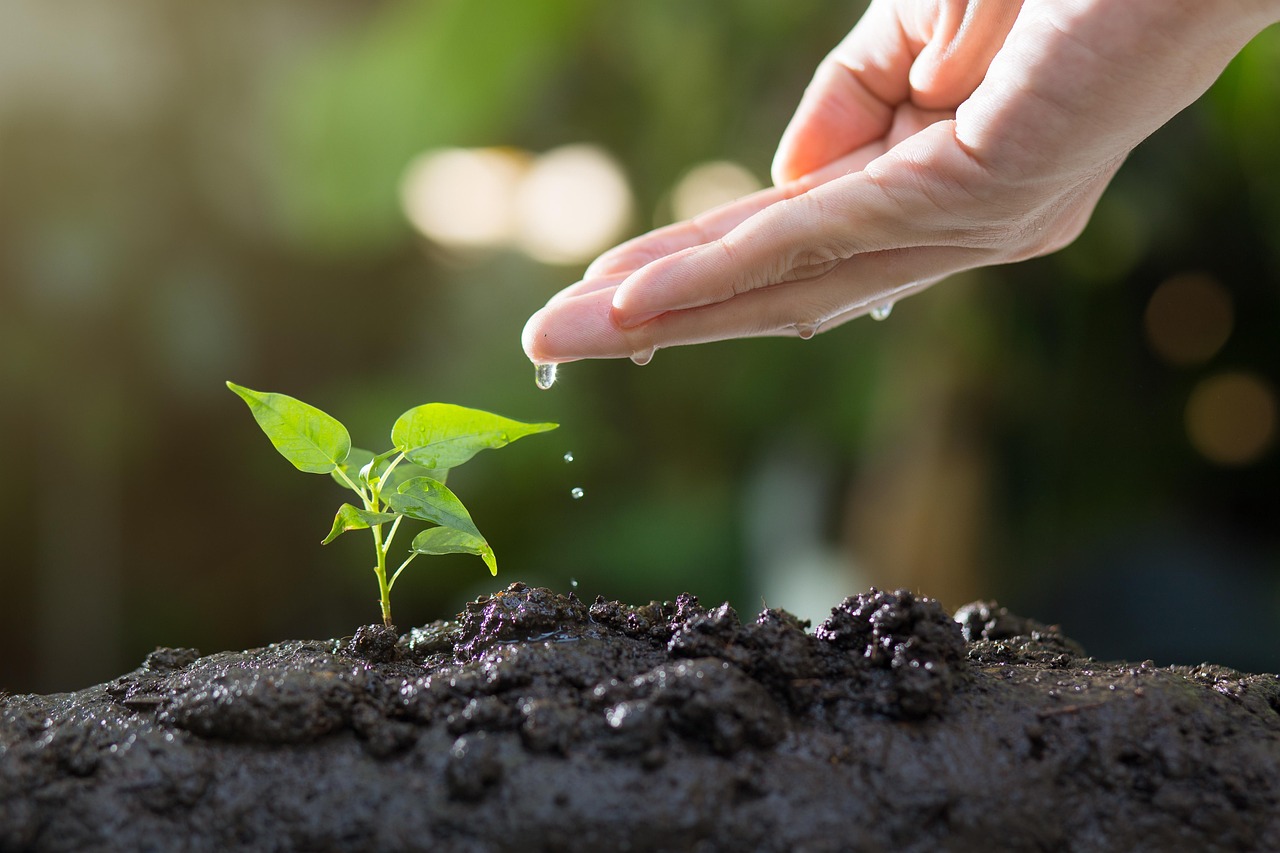
One of the most interesting findings is related to movement. During his research, Buettner observed that almost all centenarians, regardless of cultural background, remain active through everyday tasks – especially gardening and farming. He even described this form of activity as “the best exercise for longevity you can possibly do.”
Gardening combines several key elements of a healthy lifestyle: moderate physical activity, connection with nature, stress reduction, and a sense of usefulness. It is not an intense workout, but rather a natural form of movement that can be sustained throughout life.
These insights are increasingly being linked to modern approaches to living environments and spatial design. In sustainable development and the creation of high-quality living spaces, such as those developed by Passivus, greater emphasis is being placed on the connection between architecture, nature, and healthy lifestyles.
Buettner’s findings therefore offer an important message for the future of living: longevity is not only a result of genetics, but primarily of daily habits and the environments in which we live. And it is precisely here that modern sustainable design and the wisdom of the world’s longest-living communities meet – in simple yet consistent choices that keep us moving, connected, and in touch with nature.
Source: Dnevnik