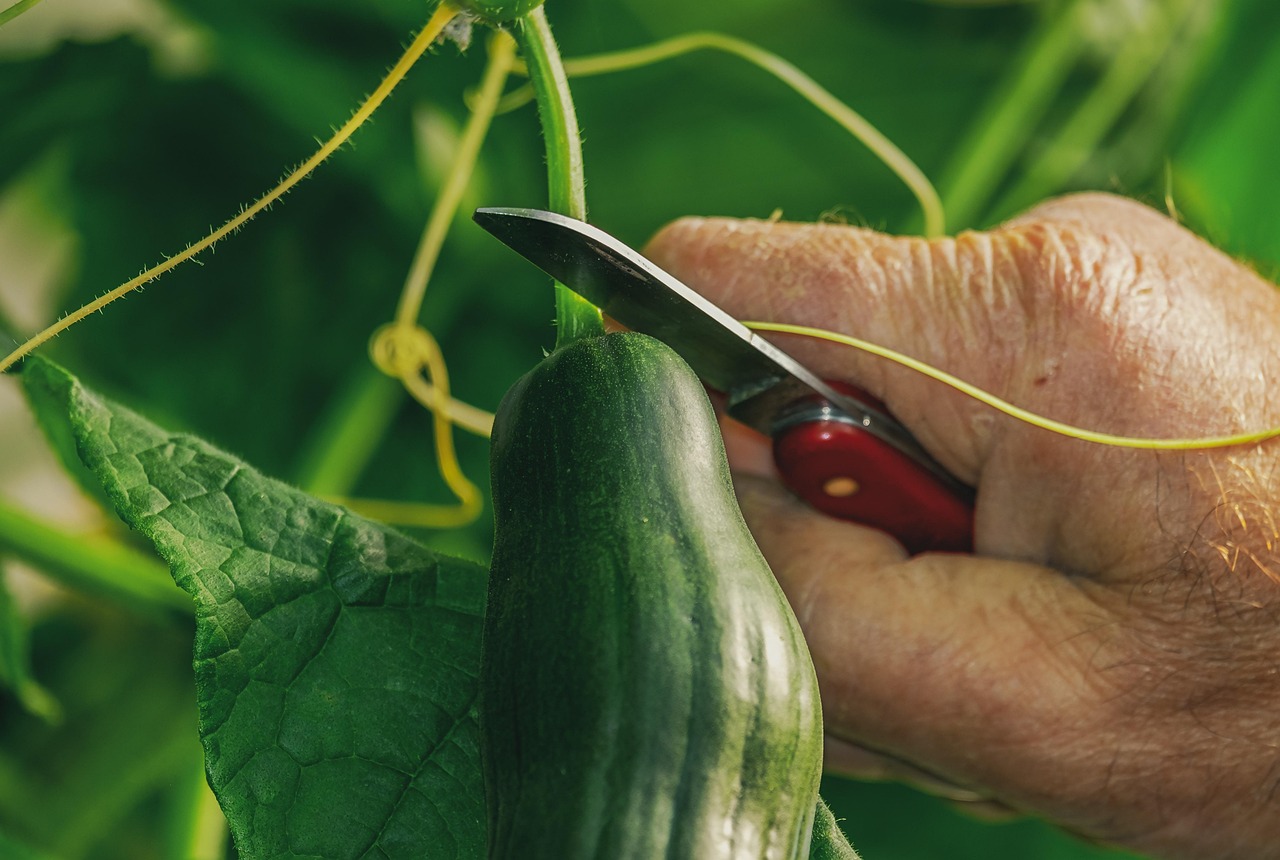
High food prices in Europe: Why self-sufficiency is becoming increasingly important
In recent years, Europe has been facing a significant rise in food prices. The cost of basic food products has increased faster than most other living expenses, putting considerable pressure on household budgets. As a result, more and more people are considering alternatives — including growing their own food at home.
Food prices in the EU remain high
Although food inflation has eased somewhat over the past year, prices are still at very high levels. In the European Union, the prices of food and non-alcoholic beverages have risen sharply since 2022 and by the end of 2025 reached nearly 50 % higher levels than in 2015. At their peak in 2023, annual food price growth reached almost 20 %.
For the average consumer, this means that purchasing basic groceries today is significantly more expensive than it was a decade ago. The average consumer basket is about 35% more expensive than ten years ago.
Food and non-alcoholic beverages also represent a significant share of household spending — around 13.4% of total expenditure in the EU, second only to housing and utility costs.
Pressure on households in Southeastern Europe
The strongest pressure from rising food prices is felt in Southeastern European countries, where purchasing power is lower. At the beginning of 2025, consumers in some countries even organized boycotts of retail stores to draw attention to the high prices of basic food products.
In response to public pressure, several governments introduced measures to limit prices:
- Hungary capped retail margins at 10 % for 30 basic food products.
- Bulgaria announced plans to establish state-run stores with limited margins.
- Serbia limited both retail and wholesale margins to 20 % for several thousand products.
- Romania extended margin caps on basic foods until 2026.
- Croatia expanded the list of products with regulated prices.
These measures demonstrate how serious the issue of food prices has become across Europe.
The pressure is spreading to Western Europe as well
The rise in food prices is no longer limited to Southeastern Europe. Western European countries are also seeing signs of slowing food sales and declining consumer confidence.
In response, some governments have already announced new measures:
- Austria plans to reduce VAT on basic food products from 10 % to below 5 %.
- Germany has introduced the Deutschland-Korb initiative, aimed at ensuring stable prices for basic foods and providing greater support to domestic producers.
Despite these measures, experts warn that high food prices will remain a reality for European households for some time.
Why more people are considering growing their own food
Rising food prices, market uncertainty, and the desire for higher-quality and locally produced food are encouraging more people to consider growing their own fruits and vegetables.
Home food production offers several advantages:
- greater food security;
- control over food quality;
- reduced dependence on store prices;
- a more sustainable lifestyle.
However, gardening in our climate often faces challenges such as a short growing season, temperature fluctuations, and unpredictable weather.
How can a passive greenhouse help increase self-sufficiency?
This is why passive greenhouses are becoming increasingly popular, as they provide more stable growing conditions and extend the production season.
A passive wooden greenhouse such as Passivus is designed to utilize natural sources of heat and light. Thanks to its carefully designed structure, it enables:
- a longer growing season;
- more stable temperatures;
- lower energy consumption;
- better yields throughout most of the year.
This allows households to grow part of their vegetables and herbs throughout the year, reducing long-term dependence on store prices.
Self-sufficiency as a response to future challenges
Forecasts suggest that high food prices will remain one of the major challenges for European households in the coming years. Although governments are introducing various measures to stabilize prices, many people are seeking additional ways to increase their food security.
One of the most sustainable solutions is home food production. Modern passive greenhouses such as Passivus can play an important role in increasing self-sufficiency, enabling more stable food production and reducing dependence on fluctuations in food market prices.
Source: SPIRIT Slovenia